
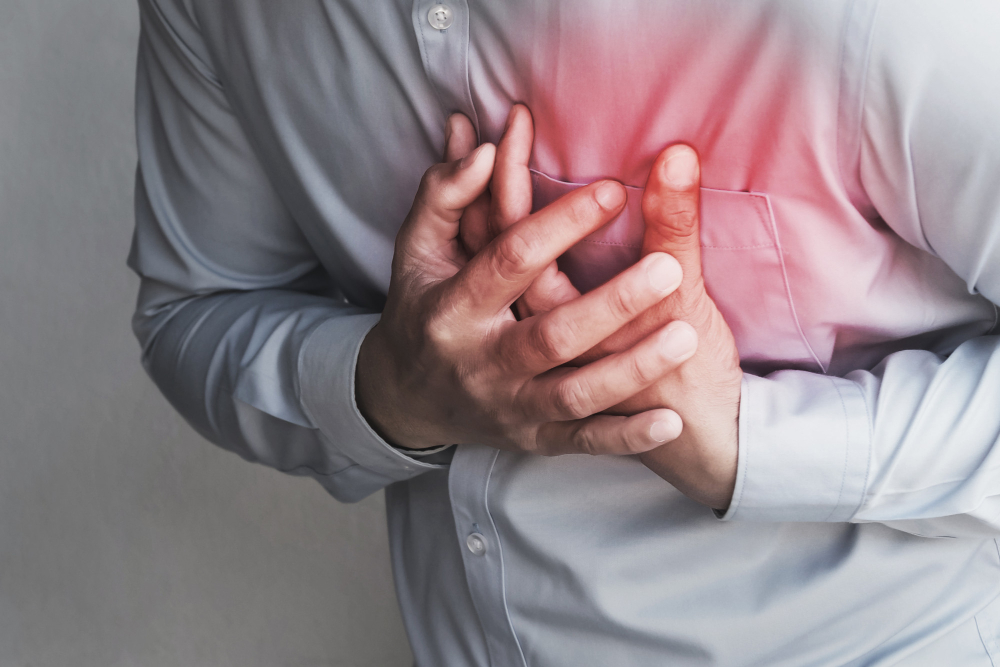
Introduction: Why Heart Attack Awareness Matters
Heart attacks, also called myocardial infarctions, are a leading cause of death worldwide. Knowing the early warning signs of a heart attack can save lives. Many people ignore mild symptoms, but acting quickly can make a big difference. In this blog, you will learn how to spot the signs, understand the risks, and know when to seek help.
What Is a Heart Attack?
A heart attack happens when blood flow to part of the heart is blocked. This blockage can damage the heart muscle. Often, the cause is a buildup of fat or cholesterol in the arteries. Because the heart needs oxygen-rich blood, any blockage can be dangerous. Early treatment can help prevent serious harm.
Early Warning Signs of a Heart Attack
Recognizing the early warning signs of a heart attack is very important. Sometimes, symptoms start slowly and may not seem serious. However, even mild signs should not be ignored. Below are common symptoms to watch for:
For example, women, older adults, and people with diabetes may have less typical symptoms. They might feel tired, have mild pain, or just feel unwell. Therefore, it is important to pay attention to any unusual feelings.
Common Causes and Risk Factors
Several factors can increase your risk of a heart attack. Knowing these can help you take steps to protect your heart. The most common causes and risk factors include:
Because some risk factors cannot be changed, such as age or family history, it is important to manage the ones you can control.
When to Seek Immediate Medical Help
If you notice any early warning signs of a heart attack, act fast. Call emergency services right away. Do not wait to see if symptoms go away. Quick action can save your life or the life of someone you love. Even if you are unsure, it is better to be safe and get checked by a doctor.
How to Prevent a Heart Attack: Tips for a Healthy Heart
Although you cannot change some risk factors, you can lower your chances of a heart attack by making healthy choices. Here are some tips:
By following these steps, you can help protect your heart and reduce your risk of a heart attack.
Diagnosis and Treatment Options
If a doctor suspects a heart attack, they will run tests such as an ECG (electrocardiogram) and blood tests. These help confirm the diagnosis. Treatment may include medicines to dissolve clots, reduce pain, or lower blood pressure. Sometimes, doctors use procedures like angioplasty to open blocked arteries. Early treatment gives the best chance for recovery.
Conclusion: Take Action for Your Heart Health
In summary, knowing the early warning signs of a heart attack can save lives. Do not ignore chest pain, shortness of breath, or other symptoms. If you notice any warning signs, consult a cardiologist immediately. Your quick action can make all the difference.