
What is Peripheral Vascular Disease (PVD)?
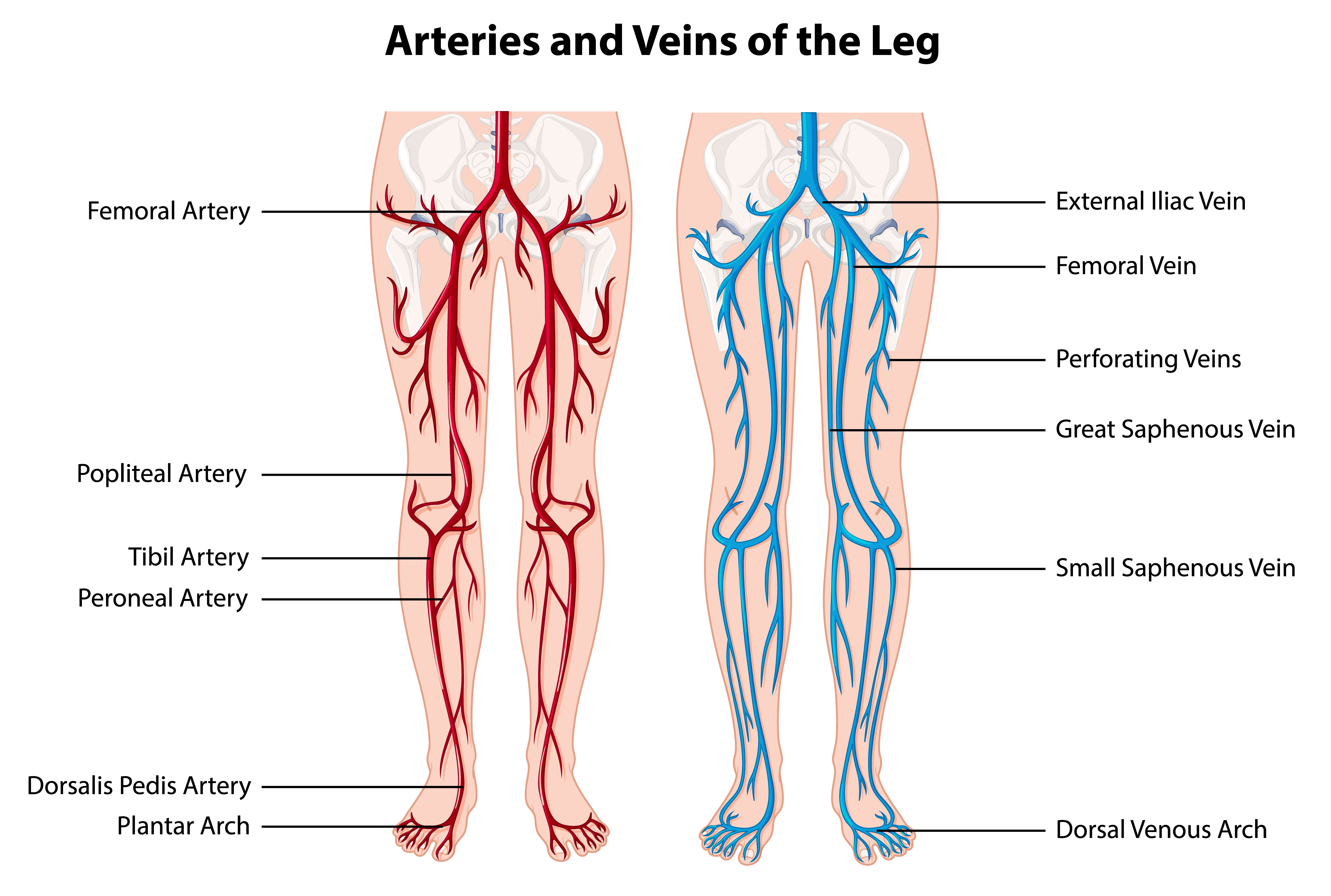
Peripheral Vascular Disease (PVD) is a condition that affects blood vessels outside the heart and brain. Usually, it causes poor blood flow to the arms and legs. As a result, people with PVD may feel pain or weakness in their limbs. According to the CDC, PVD is common, especially in older adults. Early detection helps prevent serious problems. Therefore, knowing about PVD is important for everyone.
Common Symptoms of PVD
PVD symptoms can be mild at first. However, they may get worse over time. Recognizing these signs early can help you seek treatment sooner. Here are some common symptoms of PVD:
Sometimes, people may not notice any symptoms. But as the disease progresses, discomfort can increase. If you notice any of these signs, it is wise to talk to your doctor.
Causes and Risk Factors for PVD
PVD often happens when blood vessels become narrow or blocked. This is usually due to a buildup of fatty deposits, called plaque. However, several factors can increase your risk of PVD. Understanding these risk factors for PVD can help you take steps to protect your health.
For example, smoking greatly increases your risk. In addition, having diabetes or high blood pressure can make PVD more likely. The World Health Organization notes that healthy habits can lower your risk.
How is PVD Diagnosed?
Doctors use several methods to diagnose PVD. First, they will ask about your symptoms and medical history. Next, they may check the pulse in your legs and feet. If needed, they will order tests to confirm the diagnosis. Common tests include:
Early diagnosis is important. This way, you can start treatment before the disease gets worse.
Treatment Options for PVD
PVD treatment options depend on how severe the disease is. Often, lifestyle changes are the first step. However, some people may need medicine or procedures. Here are common ways to treat PVD:
According to the American Heart Association, most people improve with a mix of these treatments. Still, your doctor will help choose the best plan for you.
Lifestyle Tips and Prevention
Preventing PVD is possible with healthy habits. Even if you already have PVD, these tips can help slow its progress. Here are some ways to prevent peripheral vascular disease:
For example, walking daily can improve blood flow. In addition, eating less salt and fat helps protect your blood vessels. The CDC recommends these steps for everyone, not just those at risk.
When to See a Doctor
If you notice pain, numbness, or sores on your legs or feet, do not wait. Instead, see a doctor as soon as possible. Early treatment can prevent serious problems, such as infections or even limb loss. Also, if you have risk factors for PVD, regular check-ups are important. This way, your doctor can spot issues early and suggest the right care.
In summary, Peripheral Vascular Disease (PVD) is a serious but manageable condition. With early diagnosis and the right treatment, most people can lead active lives. Consult a cardiologist or vascular specialist for personalized advice on Peripheral Vascular Disease (PVD).