
What is Myocardial Infarction?
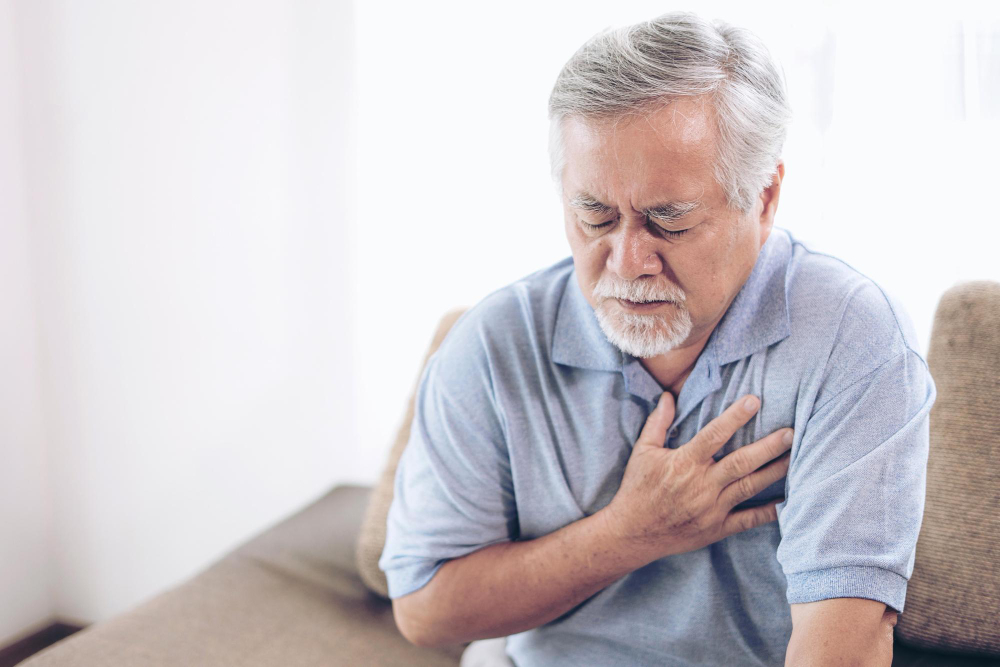
Myocardial infarction, often called a heart attack, happens when blood flow to part of the heart stops. As a result, the heart muscle does not get enough oxygen. This can damage or destroy part of the heart. Because heart attacks are serious, knowing the signs and causes is important. According to the World Health Organization (WHO), heart attacks are a leading cause of death worldwide.
Common Symptoms
Recognizing heart attack symptoms early can save lives. While symptoms can vary, some are more common than others. For example, some people may have mild signs, while others feel severe pain. Here are the most common symptoms:
Sometimes, symptoms are mild or come and go. However, any chest pain should be taken seriously.
Major Causes and Risk Factors
Most heart attacks happen because of blocked arteries. Usually, a fatty buildup called plaque narrows the blood vessels. Over time, this can stop blood from reaching the heart. But what increases your risk?
Although some risk factors, like age or family history, cannot be changed, many can be managed with healthy choices.
How Myocardial Infarction is Diagnosed
Doctors use several tests to diagnose a myocardial infarction. First, they ask about your symptoms and medical history. Next, they may perform a physical exam. After that, they often use tests such as:
Early diagnosis is key. Therefore, if you notice symptoms, seek help right away.
Treatment Options
Treating a heart attack quickly can save heart muscle and lives. Emergency care often starts with medicines to break up clots or reduce pain. In some cases, doctors may use procedures such as:
After emergency care, long-term treatment includes medicines to lower blood pressure, cholesterol, and prevent clots. Regular check-ups help track progress. Because recovery is ongoing, following your doctor’s advice is important.
Lifestyle Tips for Recovery and Heart Health
After a myocardial infarction, healthy habits can support recovery. For instance, making small changes can have a big impact. Here are some helpful tips:
With time and support, many people return to normal activities.
Prevention Strategies
Preventing heart attacks is possible for many people. Although some risks cannot be changed, others can be controlled. To lower your risk:
Because prevention is better than cure, start healthy habits early.
When to Seek Immediate Medical Help
Act fast if you or someone else has chest pain, trouble breathing, or sudden weakness. Even if symptoms seem mild, call emergency services right away. Quick action can save a life. For example, in many countries, dialing 911 or the local emergency number brings help quickly. Do not drive yourself to the hospital if you feel unwell.
In summary, understanding myocardial infarction helps you spot warning signs and take action. For personalized advice and timely care, consult a cardiologist.