
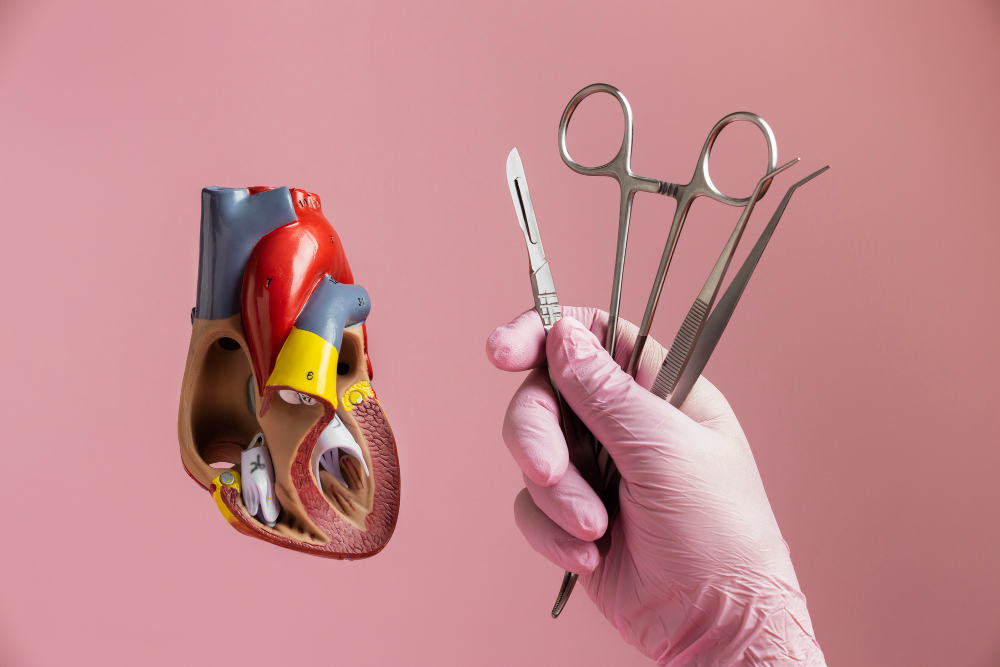
What Is Double Valve Replacement Surgery?
Double valve replacement surgery is a heart procedure. Doctors replace two damaged heart valves during this surgery. Usually, these are the aortic and mitral valves. The main goal is to help your heart pump blood better. Many people need this surgery when both valves are not working well. Because it is a major operation, doctors plan it carefully. Double valve replacement surgery can improve your quality of life. However, it is important to know what to expect before and after the procedure.
Symptoms and Conditions Leading to Double Valve Replacement
Several symptoms may show that you need double valve replacement surgery. For example, you might feel:
Often, these symptoms happen because of valve diseases. Some common conditions include:
If you notice these symptoms, talk to your doctor. Early treatment can prevent further heart damage.
Causes and Risk Factors
Many factors can lead to double valve problems. For instance, infections can damage heart valves. Sometimes, people are born with valve defects. In other cases, aging causes valves to stiffen or leak. Other risk factors include:
Because these risks add up over time, regular check-ups are important. Early detection can help you avoid serious problems.
Diagnosis and Evaluation Process
Doctors use several tests to decide if you need double valve replacement surgery. First, they will ask about your symptoms and medical history. Next, they may use:
Sometimes, doctors order a cardiac catheterization. This test gives a closer look at your heart and blood flow. After all tests, your doctor will explain if surgery is the best option.
Surgical Procedure Overview
Double valve replacement surgery is done in a hospital. First, doctors give you anesthesia so you sleep during the operation. Then, they open your chest to reach your heart. Surgeons remove the damaged valves and replace them with new ones. These new valves can be:
After placing the new valves, doctors close your chest. The surgery usually takes several hours. Because it is complex, a skilled heart team is needed. Recovery starts in the hospital, often in a special heart care unit.
Recovery and Aftercare
After double valve replacement surgery, you will stay in the hospital for several days. Doctors and nurses will watch you closely. They will help manage pain and prevent infection. Once you go home, recovery continues. Here are some tips for heart valve surgery recovery:
Because recovery can take weeks or months, patience is key. With time, most people return to normal activities. However, always check with your doctor before making changes.
Potential Risks and Complications
Like any major surgery, double valve replacement has risks. Some possible risks of double valve replacement include:
Although these risks are real, doctors take steps to lower them. For example, you may need blood thinners to prevent clots. Always report any new symptoms to your doctor right away.
Lifestyle Guidance and Prevention Tips
After surgery, healthy habits are very important. Not only do they help you recover, but they also protect your heart. Here are some tips:
Because prevention is better than cure, follow your doctor’s advice. If you have a family history of heart disease, share this with your care team. Early action can make a big difference.
Conclusion
Double valve replacement surgery is a life-changing procedure. It can relieve symptoms and improve your heart’s function. However, it is important to understand the risks and recovery steps. If you or a loved one may need this surgery, consult a cardiologist for personalized advice on double valve replacement surgery.